
US-Iran war just got bigger
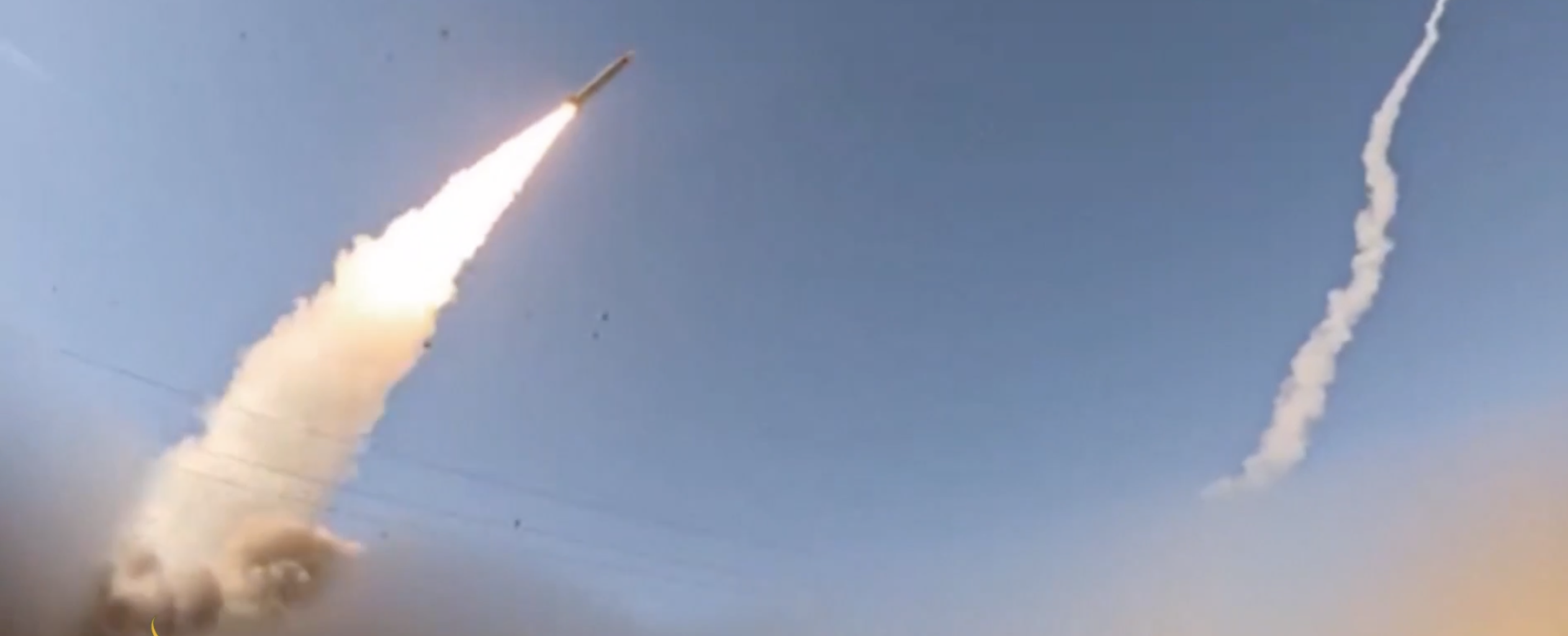 Iran’s killing of American service members this week marks one of the gravest escalations of the renewed US-Iran war, crossing a red line that risks pulling the wider Middle East into deeper conflict.
Two American troops were killed and five others seriously wounded in fighting over the weekend, part of a US operation codenamed Operation Epic Fury.
According to US Central Command (Centcom), four US service members were medically evacuated to Jordan hospitals but have since been discharged.
Iran launched ballistic missiles and drones toward Israel and across the Persian Gulf the same day, striking US bases in Bahrain, Kuwait and the UAE and targeting a US aircraft carrier — a direct assault on American forces that marks a sharp jump from the strikes on infrastructure and territory that had defined the conflict’s earlier phases.
The attacks came shortly after Iran’s current Supreme Leader Mojtaba Khamenei issued a written statement accusing the US of breaching the so-called peace agreement and ridiculing US President Donald Trump as someone whose signature “is utterly worthless and devoid of credibility”.
The war began on February 28, 2026, when the US and Israel launched coordinated strikes on Iran’s nuclear facilities, military leadership and infrastructure, killing Supreme Leader Ali Khamenei and several senior officials. A truce took hold on April 8 after roughly 40 days of fighting, but unraveled after an Iranian drone struck a cargo ship in the Strait of Hormuz on June 25. Since then, strikes and counterstrikes have escalated week over week, with planned talks in Switzerland called off amid disputes over continued Israeli strikes in Lebanon.
This week’s fighting has been the heaviest yet. US forces conducted the campaign’s first daylight raids on July 15, hitting sites on Greater Tunb Island and, for the first time, striking roughly 200 kilometers inland. Days later, US strikes hit an airport, a railway station and two bridges inside Iran, while CENTCOM said separate strikes killed at least seven Iranian military personnel. More than 50,000 US troops are now deployed across the Middle East.
The fighting has also spilled into Gulf states allied with Washington. Kuwait’s military said Iranian missiles and drones wounded several of its soldiers and damaged a major oil facility, sparking residential fires. Jordan, Qatar, the UAE, Egypt, Saudi Arabia, Syria and the Palestinian Authority have all condemned Iran’s strikes, reflecting fears the conflict is outgrowing its original combatants.
Global oil markets have moved with each escalation. Brent crude jumped more than 4 percent last week as fighting intensified over the Strait of Hormuz, reversing an earlier retreat toward pre-war prices. The International Energy Agency has called the resulting disruption the largest in the history of the global oil market, and some analysts warn prices could approach $170 a barrel if the strait remains effectively closed.
No new diplomatic talks have been announced since the collapse of last month’s preliminary deal, and officials in Washington and Tehran have given no indication the fighting will pause soon.