
Xi expels 33 officials in record purge
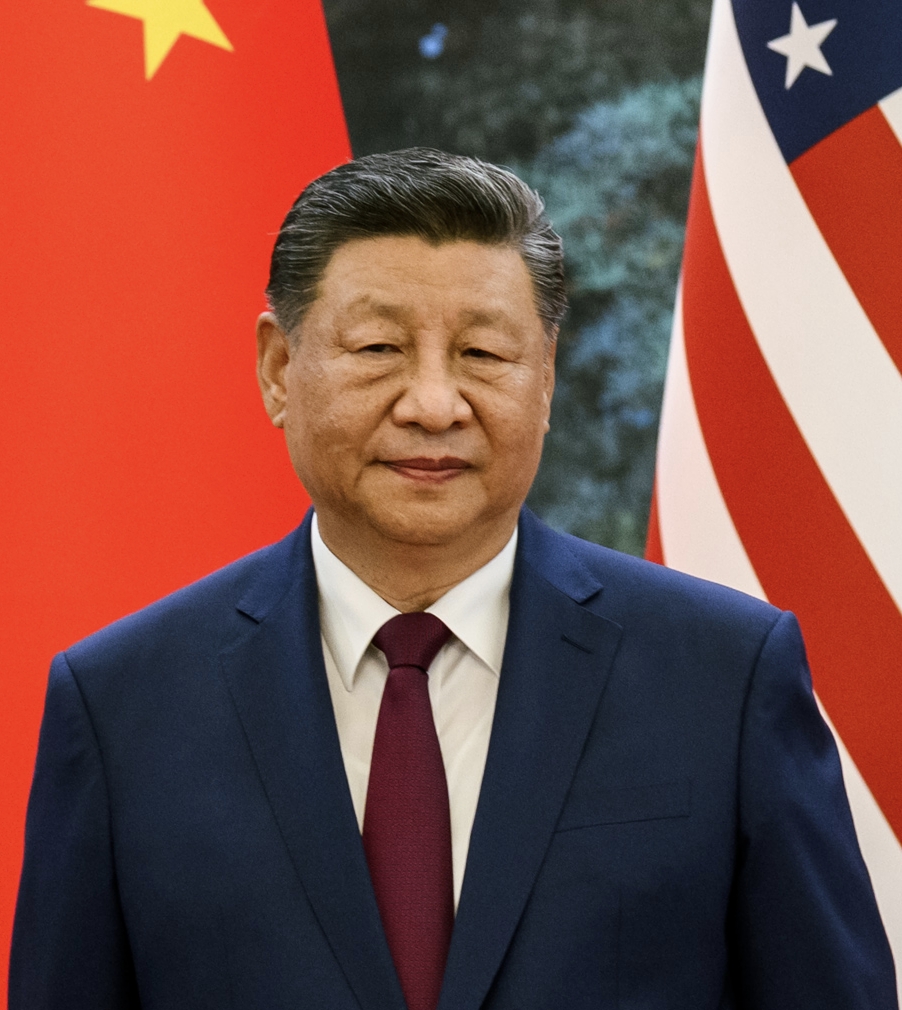
China’s Communist Party has expelled 33 members in its latest purge of senior officials, including 16 from the military, as President Xi Jinping intensifies his campaign to tackle corruption and enforce party discipline ahead of a key leadership transition in 2027.
The expulsions were announced at the conclusion of a four-day meeting of the party’s Central Committee in Beijing on October 29. The Fifth Plenum was marked by an unprecedented drop in attendance, with only 279 members present. The corresponding figure was 315 at the previous plenum in October 2025 and 364 in July 2024.
The party said those expelled had committed “serious violations of discipline and law”. However, it did not disclose specific charges against the officials, raising questions about the real intention behind the drastic move. According to China experts, the large-scale purge could be part of Xi’s efforts to consolidate power by removing potential rivals.
The latest removals bring the number of party members expelled during Xi’s third term to 51. China’s anti-corruption watchdog separately reported that 680,000 people across the party apparatus had been “disciplined” in the first nine months of 2026.
Military leadership hit
Among the most prominent officials expelled were Zhang Youxia, former vice-chairman of the Central Military Commission (CMC), and Liu Zhenli, former chief of its Joint Staff Department. The CMC oversees China’s armed forces.
Ma Xingrui, the former party chief of Xinjiang, and Liu Jianchao, the former head of the party’s International Department, were also named among those expelled. Liu Jianchao had not appeared in public since July 2025.
The purge has significantly weakened the military’s top leadership. The CMC, which had seven members, now has only two publicly identified members: Xi, its chairman, and Zhang Shengmin, its vice-chairman.
Zhang Shengmin was promoted to the Politburo at the latest plenum. The 24-member body now has 22 members following the removal of several senior officials, including former general He Weidong in 2025.
The scale of the military purge has raised questions about command continuity and operational readiness. Analysts at the Asia Society Policy Institute have warned that the removal of senior commanders could affect the military’s organisational leadership, even as China continues to modernise its armed forces.
Loyalty test
Xi has made the fight against corruption a central pillar of his rule since taking power in 2012. The campaign has targeted officials across the party, government and military, including figures who once held influential positions.
The latest expulsions have renewed debate over whether the campaign is increasingly aimed at enforcing political loyalty as well as tackling corruption.
In its statement, the party acknowledged that its leadership had at times been weakened or hollowed out. It pledged to continue strict internal governance and address violations of party discipline.
Xi has repeatedly warned against officials who publicly profess loyalty but fail to follow orders or pursue their own interests. Under his leadership, party discipline has become a key measure of political reliability.
The removal of senior figures also demonstrates that officials previously promoted to influential positions are not immune from scrutiny. However, the party has not publicly detailed the specific allegations against all those expelled, making it difficult to assess each case independently.
2027 Party Congress
The purge comes as the party prepares for its 21st National Congress, scheduled for the second half of 2027. The congress will determine the next Central Committee and shape the country’s senior leadership.
Many analysts expect Xi to seek a fourth term as party leader. He has already broken with the established pattern of leadership succession by remaining in power beyond two terms.
The latest removals could give Xi greater scope to reshape the leadership and promote officials he considers politically reliable. But the scale of the purge also creates challenges, particularly in the military, where experience and continuity are important.
The shrinking Central Committee attendance highlights the extent of the upheaval. The current committee began its term in 2022 with more than 370 full and alternate members.
Xi’s campaign has reinforced his authority over the party, but repeated purges carry risks. The removal of experienced officials can weaken institutions and complicate succession planning.
For now, the leadership has signalled that discipline remains a priority. The challenge will be to maintain control without further eroding the institutions responsible for governing the party and commanding the armed forces.